
In portraiture, we often talk about "capturing a moment." But what happens when we try to capture a process?
In my latest work, "The raw honesty of facing one’s own reflection," I wanted to move away from the static portrait and toward a narrative of internal movement. Using a triptych format allowed me to explore the psychological layers that unfold when a subject stops performing for the lens and starts looking inward.
The Power of High-Contrast Monochrome
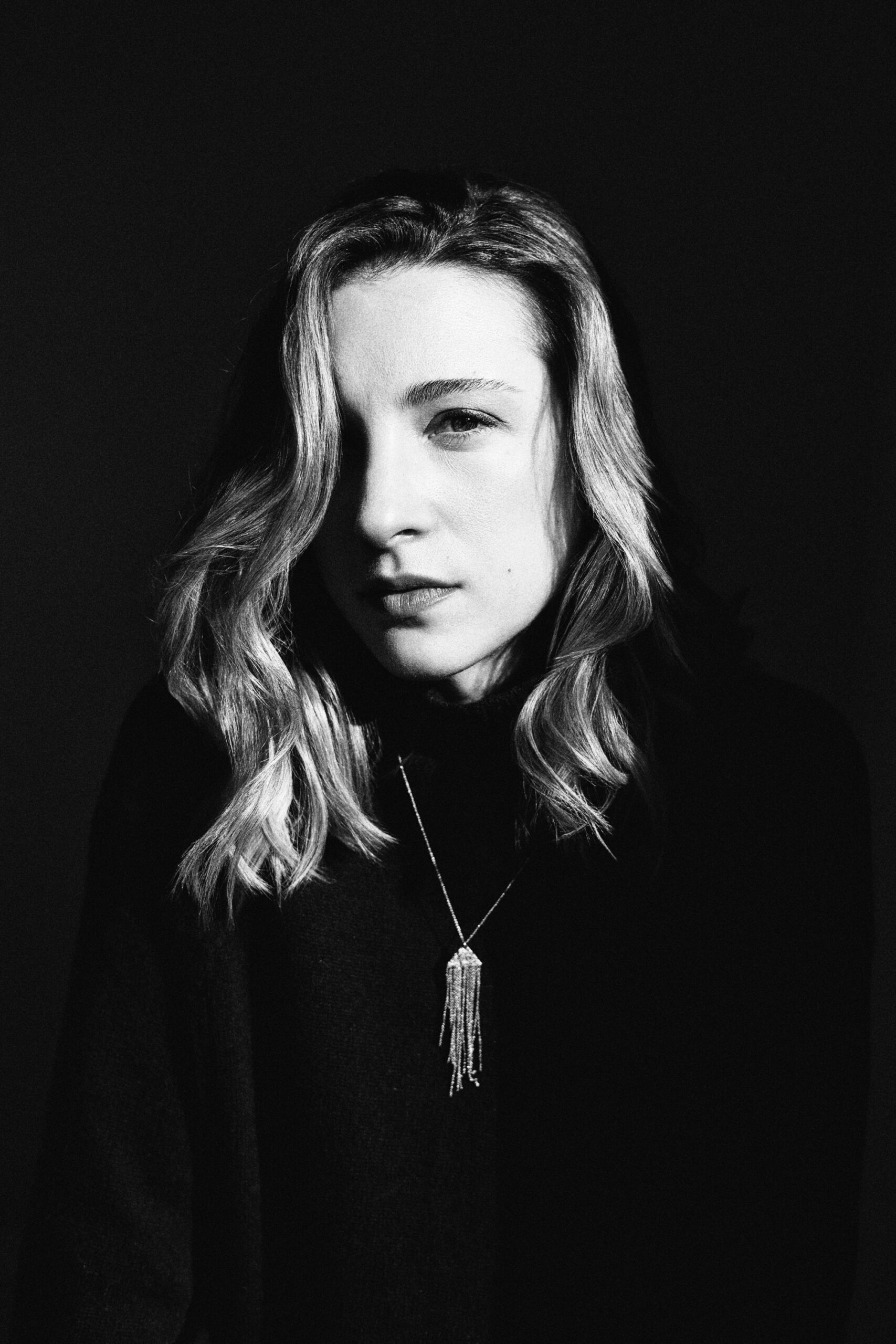
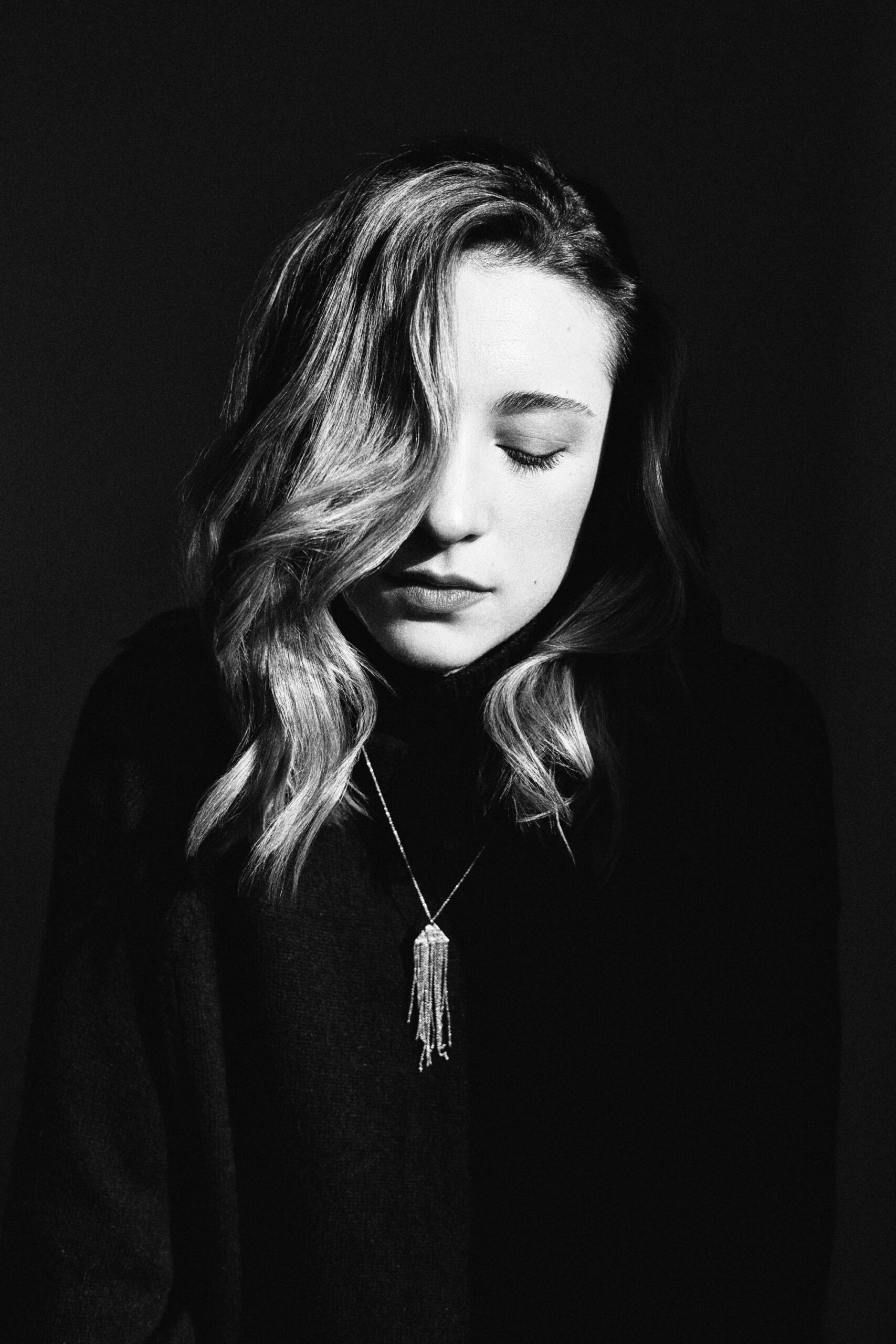
For this series, the choice of a deep, cinematic black-and-white palette was intentional. By utilizing Chiaroscuro techniques, the light doesn’t just illuminate the subject; it carves her out of the darkness.
The Shadows: Represent the unknown and the parts of ourselves we keep hidden.
The Highlights: Represent the "raw honesty"—the sharp, sometimes uncomfortable clarity of self-recognition.
A Three-Act Play
The triptych functions as a silent story in three acts:
The Encounter: A direct, unflinching look at the self.
The Internalization: A moment of vulnerability where the eyes close, and the external world fades.
The Aftermath: A quiet acceptance of what was discovered in the reflection.
Technical Reflection
As a photographer, I find that the most honest images happen in the "in-between" moments. By focusing on the play of light on the hair and the delicate glint of the jewelry, I wanted to create a sense of tactile reality that grounds the ethereal, emotional nature of the poses. It is a reminder that even in our most profound moments of introspection, we are still tethered to the physical world.

Laisser un commentaire